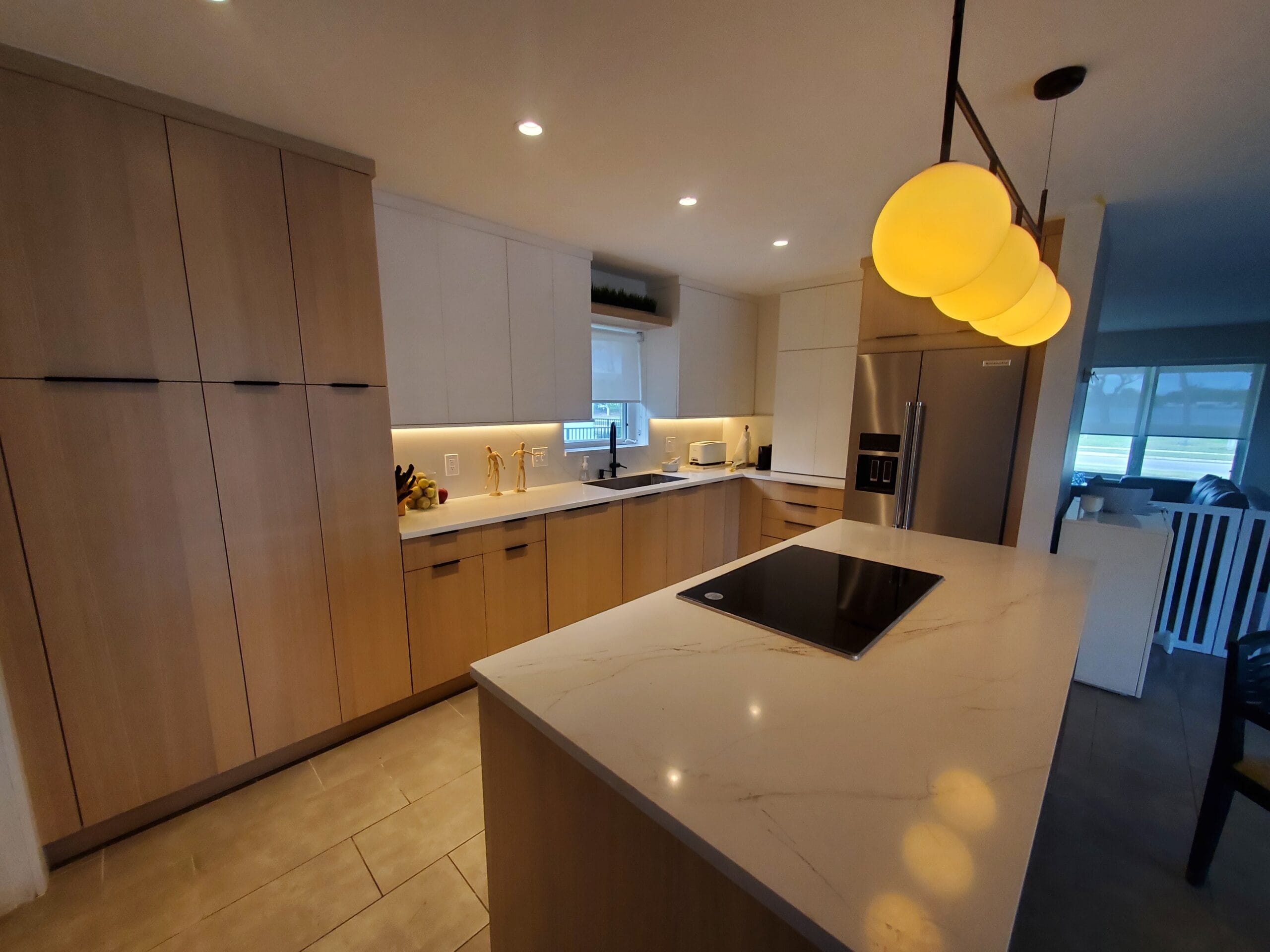
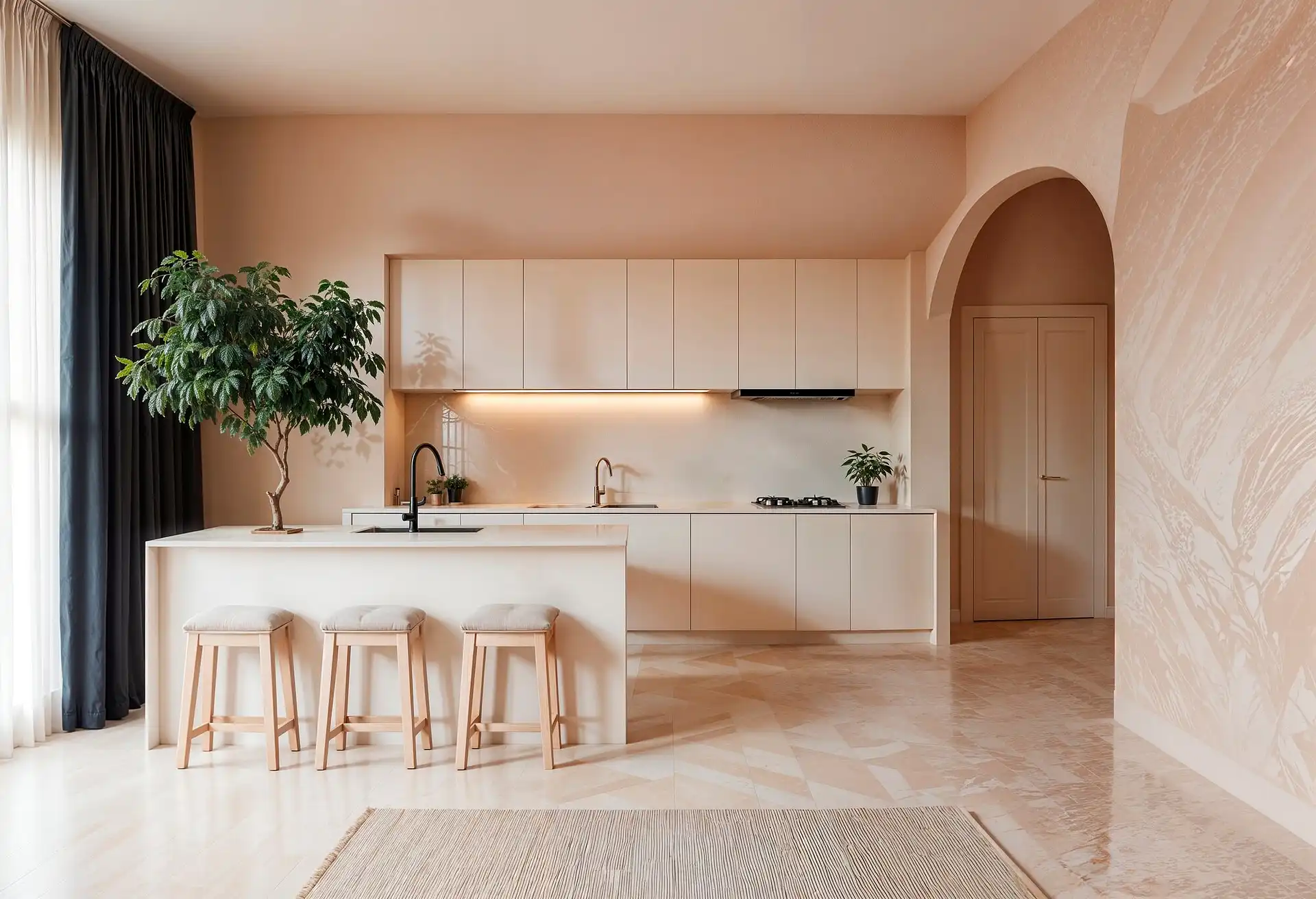
The color of your kitchen cabinets is the single most impactful design decision you'll make, defining the entire mood and aesthetic of your home's central hub. More than just paint, the right color choice enhances natural light, makes a space feel larger, and reflects your personal style. It's the foundational element that dictates your choices for countertops, hardware, and backsplash, setting the stage for the entire room.
In South Florida communities like Boca Raton and Delray Beach, where light and lifestyle are paramount, selecting from the best kitchen cabinet colors is crucial for creating a space that is both beautiful and functional. A well-chosen palette can connect your indoor kitchen to outdoor living areas, complement the coastal sunshine, and significantly increase your home’s value. This guide moves beyond fleeting trends to provide a comprehensive look at the top 10 color choices that blend timeless appeal with modern sensibilities.
We will explore each color's unique benefits, ideal pairings, and maintenance considerations tailored to the local environment. Whether you are aiming for a bright, airy coastal feel or a dramatic, sophisticated statement, this curated list provides the actionable insights you need. To successfully implement your chosen palette, our comprehensive guide to painting kitchen cabinets covers everything from costs to DIY strategies. Let's dive into the colors that will transform your kitchen into the heart of your home.
1. Classic White: The Epitome of Timeless Elegance
Timeless white cabinetry remains the undisputed champion of kitchen design for a reason. It offers a clean, bright aesthetic that adapts seamlessly to any style, from coastal Boca Raton estates to modern Parkland homes. As one of the best kitchen cabinet colors, white excels at reflecting light, instantly making any kitchen feel larger, more open, and airier. This creates a versatile canvas that works beautifully with virtually any countertop material, hardware finish, or backsplash design you can envision.
Why White Works So Well
The enduring popularity of white kitchens lies in their incredible adaptability. A modern farmhouse kitchen comes to life with crisp white shaker cabinets, while a minimalist contemporary space feels sleek and sophisticated with flat-panel white doors. Its inherent neutrality allows other design elements, like a dramatic stone countertop or a colorful tile backsplash, to become the focal point. This flexibility ensures your kitchen remains stylish for years, easily updated with simple changes to hardware or decor.
Making White Cabinets Work for You
While classic, a white kitchen requires thoughtful execution to avoid feeling sterile. Here are some practical tips to perfect the look:
- Choose the Right Shade: Pure, stark white can feel cold. Opt for soft whites or off-whites with creamy or grey undertones for a warmer, more inviting atmosphere. Benjamin Moore’s "White Dove" and Sherwin-Williams’ "Alabaster" are perennial favorites.
- Layer with Texture: Introduce warmth and visual interest by pairing white cabinets with natural wood elements like open shelving, a butcher block island, or hardwood floors.
- Select a Practical Finish: A semi-gloss or satin finish is ideal for white cabinets. These sheens are easier to clean and more durable than matte, helping to hide fingerprints and scuffs, which is crucial for a high-traffic area.
- Incorporate Glass: Break up the uniformity of an all-white space by using glass-front cabinet doors. This adds depth and provides a perfect spot to display decorative dishware or glassware.
By balancing its bright, clean appeal with warm textures and strategic details, a white kitchen can be the stunning, timeless heart of your South Florida home.
2. Deep Navy Blue: A Bold Statement of Sophistication
Deep navy blue has emerged as a stunning and sophisticated choice, offering a rich alternative to traditional neutrals. This bold yet classic hue brings a sense of drama and depth to kitchens, from modern waterfront homes in Highland Beach to elegant estates in Delray Beach. As one of the best kitchen cabinet colors, navy creates an inviting, luxurious atmosphere that feels both grounded and high-end. It serves as a powerful anchor in a design, allowing lighter elements to pop while maintaining a sense of timeless appeal.

Why Green Works So Well
The appeal of emerald green lies in its perfect balance of opulence and organic charm. Unlike fleeting trends, this deep green has a classic quality, reminiscent of historic libraries and luxury design. It pairs exceptionally well with high-end finishes, making it a perfect match for the elegant homes in Delray Beach and Highland Beach. This color can ground a large, open-concept kitchen or create a cozy, enveloping feel in a smaller space, making it surprisingly versatile.
Making Green Cabinets Work for You
To successfully incorporate this daring color, a strategic approach is key to avoid overwhelming the space. Here are practical tips to master the look:
- Pair with Luxurious Finishes: Brass or gold hardware is a classic choice that amplifies the richness of emerald green. This combination creates a warm, glamorous contrast that feels both modern and timeless.
- Balance with Light Countertops: Create a crisp, clean look by pairing green cabinets with white or light-colored countertops like Calacatta marble or a durable quartz lookalike. This contrast prevents the deep color from feeling too heavy.
- Use as a Feature: If an all-green kitchen feels too bold, use it on a central island or a bank of lower cabinets. This two-toned approach provides that pop of sophisticated color while maintaining a bright and airy feel.
- Choose the Right Sheen: A satin or matte finish lends a velvety, high-end look to emerald cabinets. These sheens are sophisticated and modern, minimizing reflections and allowing the true depth of the color to shine through. Benjamin Moore's "Hunter Green" and Sherwin-Williams' "Cascades" are excellent choices for achieving this look.
6. Black or Charcoal: For Striking Drama and Sophistication
For homeowners seeking a bold and luxurious statement, black or charcoal cabinetry delivers unmatched drama and sophistication. This daring choice creates a powerful visual anchor in modern, industrial, and transitional kitchens, offering a striking contrast that feels both timeless and contemporary. As one of the best kitchen cabinet colors for creating depth, black excels at making a high-impact design statement, particularly in high-end Boca Raton condos or custom Delray Beach homes where a sleek, memorable aesthetic is desired.
Why Black and Charcoal Work So Well
The power of black and charcoal cabinets lies in their ability to create a sense of refined elegance and grounding weight. Unlike lighter colors, these dark tones absorb light, drawing the eye and making other elements, like metallic hardware or a gleaming marble countertop, pop with intensity. This choice works exceptionally well in large, open-concept spaces or kitchens with abundant natural light, where the dark color adds intimacy and definition without overwhelming the room. It evokes a feeling of chic, urban design often seen in high-end contemporary spaces.
Making Black and Charcoal Cabinets Work for You
A black or charcoal kitchen requires a balanced approach to ensure it feels chic and inviting rather than dark and oppressive. Here are some essential tips:
- Balance with Light Surfaces: To avoid a cavernous feel, pair dark cabinets with light-colored countertops, backsplashes, and flooring. Crisp white quartz, creamy marble, or light wood floors create a stunning, high-contrast look.
- Prioritize Layered Lighting: Effective lighting is non-negotiable with dark cabinetry. Combine ambient, task, and accent lighting to illuminate the space fully and prevent it from feeling gloomy. For more on creating the perfect ambiance, you can learn more about the importance of lighting in kitchen design.
- Choose the Right Finish: A matte or satin finish is often preferred for black cabinets as it minimizes the appearance of fingerprints and smudges while offering a soft, velvety texture. A high-gloss finish can be stunning in an ultra-modern setting but requires more maintenance.
- Incorporate Warm Accents: Introduce warmth and prevent the space from feeling too stark by adding warm metal hardware like brushed brass or copper. Natural wood accents, such as a butcher block island top or open shelving, also add an organic, balancing touch.
7. Soft Sage Green: A Breath of Natural Serenity
For homeowners seeking a touch of color that feels both organic and sophisticated, soft sage green cabinetry is an exceptional choice. This muted, earthy tone brings a calming, botanical-inspired atmosphere into the heart of the home. As one of the best kitchen cabinet colors for creating a tranquil space, sage green offers a unique personality that is gentle rather than overpowering. It connects the interior to the lush landscapes of South Florida, making it a perfect fit for homes in Delray Beach or garden-view Parkland residences.
Why Sage Green Works So Well
The appeal of soft sage green lies in its remarkable versatility and its connection to nature. This grayish-green hue acts as a "new neutral," providing color without overwhelming the senses. It pairs beautifully with the warm whites and natural light common in coastal homes, creating an environment that feels peaceful and restorative. Whether used in a modern farmhouse design or a more contemporary setting, sage green cabinets provide a subtle yet distinctive backdrop that complements a wide range of materials and finishes.
Making Sage Green Cabinets Work for You
To ensure your sage green kitchen feels chic and timeless rather than dated, thoughtful planning is key. Here are practical tips for implementing this beautiful color:
- Select the Right Undertone: The most versatile sage greens have gray or blue undertones, which keep them feeling modern and sophisticated. Avoid shades with strong yellow undertones, which can look muddy. Sherwin-Williams’ "Sea Salt" or Benjamin Moore’s "Saybrook Sage" are excellent starting points.
- Pair with Natural Elements: Enhance the color's organic feel by incorporating natural wood accents like a butcher block island, open shelving, or hardwood floors. This combination creates a warm, grounded aesthetic.
- Choose Complementary Hardware: Warm metals like aged brass or brushed bronze beautifully complement the cool tones of sage green, adding a touch of classic elegance. Matte black hardware can create a more modern, high-contrast look.
- Balance with Light Surfaces: Keep the overall space feeling bright and open by pairing sage cabinets with light countertops, such as Calacatta marble or a soft white quartz. A simple cream or white backsplash will also prevent the green from feeling too heavy.
8. Cream and Off-White: A Softer, Warmer Neutral
For homeowners who find stark white too clinical, cream and off-white cabinetry offers a sophisticated and welcoming alternative. These shades provide the same light-reflecting, space-enhancing benefits as pure white but with added warmth and depth. This color family is a cornerstone of traditional and modern farmhouse kitchens, creating a comfortable, lived-in feel perfect for a cozy Delray Beach home or a transitional Parkland estate. Cream is one of the best kitchen cabinet colors for achieving a bright yet inviting atmosphere.
Why Cream Works So Well
The beauty of cream and off-white lies in their subtle undertones, which can range from buttery yellow to soft beige. This inherent warmth prevents the kitchen from feeling cold and creates a gentle, soothing backdrop for daily life. These colors pair exceptionally well with natural materials like wood and stone, enhancing their organic textures. Whether you're aiming for a rustic farmhouse look or a refined, traditional space, cream cabinets provide a versatile and elegant foundation that feels both classic and current.
Making Cream Cabinets Work for You
Successfully designing with cream and off-white requires careful attention to undertones and lighting. Here are key tips to create a harmonious look:
- Test Your Undertones: Request cabinet samples and view them in your kitchen at different times of day. A cream with a yellow undertone might look perfect in cool, north-facing light, while a greige-tinted off-white can balance the intensity of a sunny South Florida kitchen.
- Create Contrast with Hardware: Warm metal finishes like aged brass, champagne bronze, or oil-rubbed bronze beautifully complement the warmth of cream cabinets. For a more modern or transitional feel, matte black hardware can provide a striking, elegant contrast.
- Layer with Natural Textures: Prevent a cream kitchen from looking monotonous by incorporating varied textures. Consider a butcher block island, travertine tile floors, or a richly veined marble or quartzite countertop to add visual interest and depth.
- Choose Complementary Countertops: Pair cream cabinets with countertops in warm whites, soft beiges, or earthy brown tones. Materials like Calacatta Gold marble or granite with golden veining will echo the cabinet's warmth beautifully.
9. Two-Tone Cabinetry: A Study in Dynamic Contrast
Why settle for one color when you can have two? Two-tone cabinetry is a sophisticated design strategy that introduces depth, personality, and a custom feel to any kitchen. This approach, often seen in high-end Delray Beach homes, typically involves using a lighter color for upper cabinets and a darker, grounding color for the lowers or a central island. As one of the best kitchen cabinet colors, this dynamic pairing prevents monotony and allows for creative expression while maintaining a cohesive and balanced look.
Why Two-Tone Works So Well
The brilliance of a two-tone kitchen lies in its ability to create visual interest and define different zones within the space. Using a light color like white or cream on upper cabinets keeps the room feeling open and airy, while a dark base in navy, charcoal, or even a rich wood tone anchors the design. This contrast adds a layer of architectural detail that makes a kitchen feel professionally designed. It’s a perfect solution for homeowners who love a bold color but are hesitant to commit to it for the entire room.
Making Two-Tone Cabinets Work for You
A successful two-tone scheme requires a thoughtful approach to color and balance. Here are some practical tips to master this designer trend:
- Establish a Clear Hierarchy: The most common and foolproof method is to place the darker color on the bottom cabinets and the lighter shade on top. This grounds the space and draws the eye upward, enhancing the feeling of height.
- Use the Island as an Accent: If you prefer a uniform color for your main cabinets, consider painting the kitchen island in a bold, contrasting shade. A black island in an otherwise white kitchen creates a stunning and dramatic focal point.
- Harmonize Undertones: For a seamless look, ensure the undertones of your two chosen colors are compatible. A warm white pairs beautifully with a warm gray or wood tone, while a cool white is better suited to a crisp navy or black.
- Unify with Hardware and Countertops: Tie the two distinct cabinet colors together with consistent hardware finishes. The right countertop choice is also crucial; selecting a slab that incorporates tones from both your upper and lower cabinets can bridge the design beautifully. You can explore a detailed kitchen countertop materials comparison to find the perfect unifying surface.
10. Matte Black or Charcoal with Natural Wood Accents
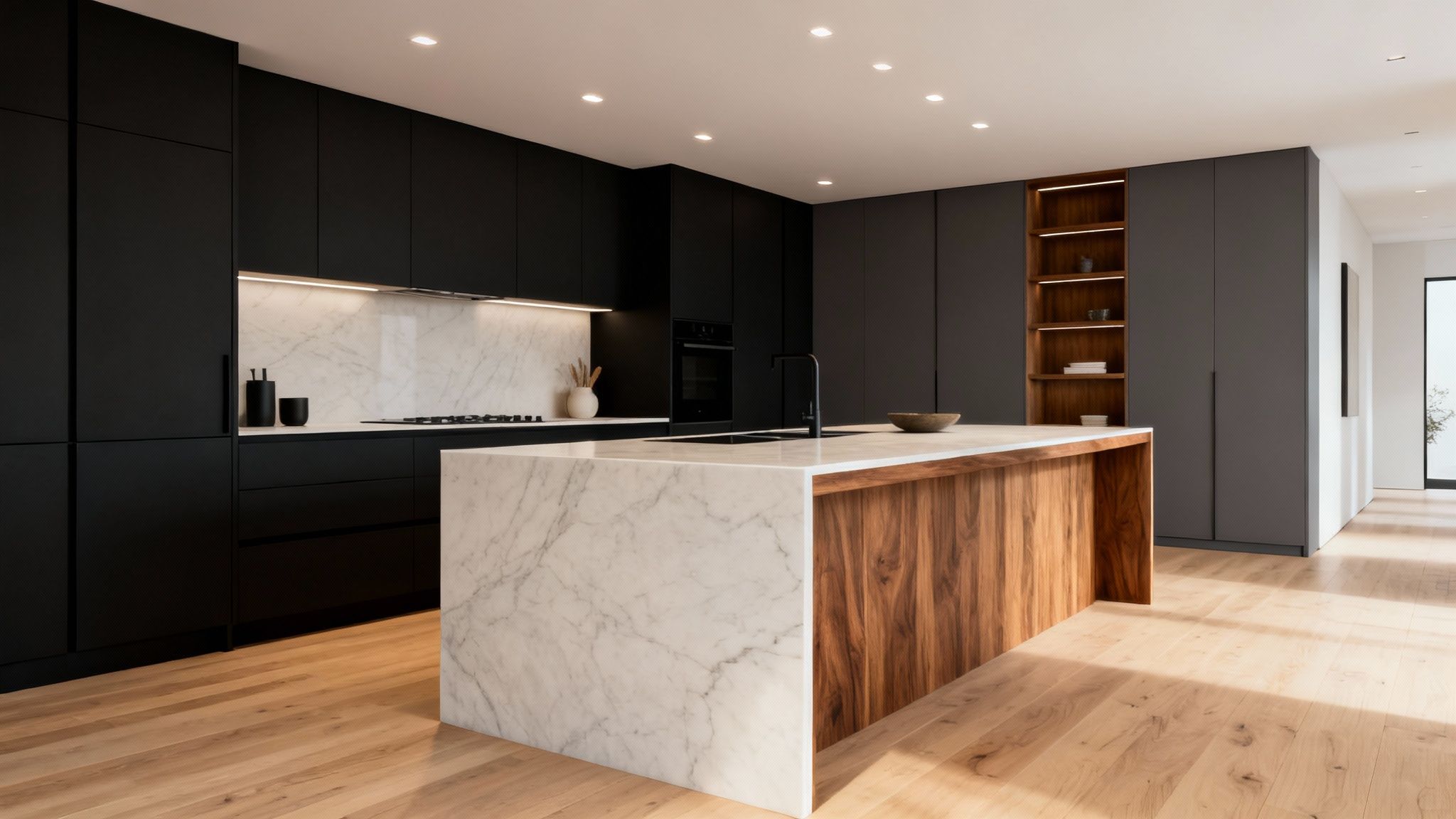
For those seeking a bold, sophisticated statement, combining matte black or charcoal cabinetry with natural wood accents offers a breathtaking solution. This hybrid approach strikes a perfect balance between sleek, modern drama and organic, grounding warmth. This design choice, often seen in luxury Delray Beach penthouses and custom Parkland homes, creates a high-contrast look that is both dramatic and inviting, making it one of the most dynamic options for the best kitchen cabinet colors.
Why This Combination Works So Well
The power of this pairing lies in its beautiful contrast. The deep, velvety finish of matte black or charcoal provides a sophisticated, contemporary anchor, while natural wood introduces texture, warmth, and a connection to nature. This prevents the dark cabinetry from feeling overwhelming and adds a layer of visual interest that is rich and complex. This trend is a hallmark of contemporary farmhouse and modern organic design, effortlessly elevating the kitchen into a designer-grade space.
Making Black and Wood Work for You
Executing this look requires a careful balance to achieve a harmonious and well-lit space. Here are some practical tips to perfect the style:
- Integrate Wood Strategically: Use natural wood for a statement island, open shelving, a range hood cover, or even just the interior of glass-front cabinets. This creates focal points and breaks up the dark surfaces.
- Embrace a Matte Finish: A matte or satin finish on black or charcoal cabinets is crucial. It minimizes light reflection, creating a soft, luxurious feel and hiding fingerprints better than a glossy surface.
- Prioritize Excellent Lighting: Dark cabinets absorb light, so a multi-layered lighting plan is essential. Combine recessed ceiling lights, under-cabinet task lighting, and statement pendants over an island to ensure the space is bright and functional.
- Select Light Countertops: Pair this duo with light-colored countertops like white quartz or marble with subtle veining. This contrast brightens the kitchen and prevents the dark cabinets from making the room feel heavy.
- Choose Sleek Hardware: Complement the modern aesthetic with minimalist hardware. Simple brass, champagne bronze, or matte black pulls and knobs will enhance the clean lines without competing with the powerful color and texture combination.
Top 10 Kitchen Cabinet Colors Comparison
| Style | 🔄 Implementation complexity | ⚡ Resources & cost | ⭐ Expected outcome | 📊 Ideal use cases | 💡 Key advantages / Tips |
|---|---|---|---|---|---|
| Classic White | Low — stock options & simple repainting | Low — widely available, affordable | ⭐⭐⭐ — bright, timeless, resale-friendly | Small or any-style kitchens needing light & neutrality | Choose soft/off-white, warm lighting, semi-gloss to hide marks |
| Deep Navy Blue | Medium — often custom or multiple coats | Medium — more paint/coating and lighting investment | ⭐⭐⭐ — elegant, dramatic focal point | Larger kitchens, islands, luxury or statement designs | Pair with brass hardware and light countertops; add layered lighting |
| Warm Gray | Low–Medium — requires correct undertone selection | Medium — sample testing recommended | ⭐⭐ — modern neutral with warmth | Transitional and contemporary kitchens seeking subtlety | Test in your lighting; combine with wood and warm metals |
| Natural Wood Tone | Medium — wood choice & finishing expertise | High — costlier materials and maintenance | ⭐⭐⭐ — warm, timeless, artisanal appeal | Traditional, rustic, mid-century, high-end kitchens | Select medium/darker species, use quality sealant, mix with painted accents |
| Emerald Green | Medium — often custom color matching | Medium–High — may need designer input | ⭐⭐⭐ — distinctive, memorable luxury look | High-end, boutique, or bold statement kitchens | Use true emerald, brass accents, light countertops and good lighting |
| Black or Charcoal | Medium — lighting design is critical | Medium — quality finishes and lighting needed | ⭐⭐⭐ — dramatic, sophisticated visual impact | Modern, industrial, contemporary and loft kitchens | Prefer matte finish, bright layered lighting, light countertops for contrast |
| Soft Sage Green | Low–Medium — careful undertone selection | Medium — limited stock, possible custom mixes | ⭐⭐ — calming, understated personality | Cottage, farmhouse, contemporary and cozy kitchens | Choose gray-based sage, pair with wood, brass hardware, test samples |
| Cream and Off-White | Low — similar to white with undertone choice | Low — widely available, moderate price | ⭐⭐ — warm, inviting, broadly appealing | Traditional, farmhouse, resale-focused kitchens | Match undertone to lighting, consider satin/semi-gloss for easy cleaning |
| Two-Tone Cabinetry | High — planning, matching, and installation complexity | High — more materials, labor, and design time | ⭐⭐⭐ — highly custom, adds depth and proportion | Transitional or designer kitchens wanting visual interest | Use contrasting light/dark pairs, match undertones, use island as accent |
| Matte Black/Charcoal + Wood | High — skilled coordination and mixed finishes | High — custom cabinetry and quality materials | ⭐⭐⭐ — striking, balanced modern-warm aesthetic | High-end contemporary farmhouse and luxury renovations | Choose complementary wood species, matte black paint, and professional design guidance |
Bring Your Perfect Kitchen Color to Life in Boca Raton
The journey through the world of kitchen cabinet colors reveals a powerful truth: color is more than just a decorative choice; it's the foundational element that sets the entire mood and functionality of your kitchen. From the timeless brilliance of Classic White that amplifies the South Florida sun in a Highland Beach condo to the sophisticated drama of Deep Navy Blue anchoring a grand Parkland estate, the best kitchen cabinet colors are those that resonate with your personal style and enhance your home's unique architecture. We've explored a spectrum of possibilities, each with its own personality and practical considerations.
Whether you were drawn to the earthy, calming presence of Soft Sage Green, the modern yet warm appeal of Natural Wood Tones, or the bold statement of a Two-Tone scheme, the key takeaway is the importance of a holistic design approach. A color doesn't exist in a vacuum. Its success depends entirely on the interplay with countertops, the sheen of its finish, the style of its hardware, and, most critically, the quality and type of lighting that fills your space. This is where a simple color choice evolves into a sophisticated, cohesive design statement.
From Inspiration to Impeccable Installation
Moving from a curated list of ideas to a tangible, beautifully executed kitchen requires translating your vision into a detailed, actionable plan. This is often the most challenging step for homeowners. The decision-making process involves more than just picking a paint chip; it involves understanding how that specific shade will perform over time and how it integrates with the other materials in your home.
Consider these critical next steps to ensure your chosen color palette achieves its full potential:
- Physical Sampling is Non-Negotiable: Never finalize a color based on a screen or a small paint swatch. Obtain large sample doors and view them in your kitchen at different times of the day. Notice how the morning light in your Delray Beach home differs from the afternoon glow and how your artificial lighting transforms the hue after sunset.
- Finalize Your "Hard" Finishes First: Your countertops and flooring are significant investments and are less easily changed than cabinet colors. Finalize these selections first, then choose a cabinet color that complements their undertones, veining, and texture. This ensures a harmonious foundation for your entire design.
- Balance is Everything: If you've fallen in love with a dark, moody color like Emerald Green or Charcoal, balance its intensity with lighter elements. Think reflective backsplashes, light-colored countertops, and layered lighting to prevent the space from feeling heavy or enclosed, especially in smaller kitchens.
- Think About the Long-Term: While trendy colors can be exciting, consider the longevity of your choice. Classic palettes tend to have broader appeal, which can be a factor in your home's future resale value. However, your daily enjoyment is paramount, so find the right balance between personal expression and timeless design principles.
Mastering these concepts transforms your renovation from a simple update into a thoughtful, value-adding investment. A well-designed kitchen, anchored by the perfect cabinet color, not only enhances your daily life but also becomes a central hub for family, friends, and memories. It’s the backdrop to your life, and getting the color right is the first step to making it a space you truly love.
Ready to see how these stunning cabinet colors look and feel in person? The expert design team at Kitchen Renovations Perfected is here to guide you from initial concept to flawless completion. Visit our Boca Raton showroom to explore high-quality cabinetry and let us help you create the kitchen you’ve always envisioned with our seamless, design-led process. Schedule your complimentary consultation with Kitchen Renovations Perfected today!